Obtaining Ideal Vision With SMILE Eye Surgical Treatment
Post Created By-Chang Hegelund
With progress in clinical technology, achieving perfect vision has become far accessible like never before. A top groundbreaking methods in the last decade is SMILE eye surgery. https://www.techtimes.com/articles/261286/20210610/lasik-eye-surgery-tiktok-user-shares-story-complications-why-worry.htm is created to correct typical sight difficulties, particularly nearsightedness, offering a potential remedy for millions of patients who depend on spectacles or contact lenses. As you explore the possibilities of SMILE laser eye surgery, you may find yourself about its advantages, costs, and how it contrasts with other vision correction methods.
In this piece, we will explore what SMILE eye surgery entails, how it works, and the post-operative care needed. We will also discuss the benefits of the SMILE procedure for myopia and provide a thorough comparison of SMILE versus PRK, an additional popular eye surgery. With details on side effects and overall effectiveness, this comprehensive resource aims to supply you with a better understanding of SMILE eye surgery, putting you one step to achieving unlocking perfect sight.
What is SMILE Optical Procedure?
Small Incision Lenticule Extraction stands as a innovative optical eye surgery procedure intended to address shortsightedness and astigmatism. Unlike standard laser vision methods, this technique utilizes a less invasive method. It involves making a tiny incision in the outer layer of the eye to take out a small disc of tissue, thereby reshaping the eye's surface to enhance visual clarity. This procedure offers exactness and comfort, making it an desirable option for many people seeking improve their sight.
The process starts with the application of a targeted device, that generates the disc within the corneal. As soon as the disc is created, a minimal incision is executed through which the surgeon carefully removes the disc, thus modifying the curvature of the eye's surface. This special method allows for a gentler experience in contrast to more common procedures, where larger cuts are generally required. The full process typically lasts about 30 mins, with many patients experiencing quick improvements in their vision.
A significant features of SMILE Eye Surgery is that it often results in reduced complications and quicker recovery durations than different procedures like LASIK or Photorefractive Keratectomy. Patients claim less pain and inconvenience and can resume their usual tasks within a couple of days. As a result, SMILE has become popular among patients who want effective vision enhancement with minimal downtime.
Benefits and Recovery
The SMILE Procedure offers numerous advantages that make it an appealing choice for individuals seeking vision correction. One of the primary benefits is the limited invasiveness of the procedure. Unlike standard LASIK, which requires a corneal flap to be created, SMILE utilizes a minimal incision to remove tissue from within the cornea. This approach not only lowers the risk of complications but also promotes faster healing and reduced postoperative discomfort. discover this improved vision within a few days, allowing them to quickly return to their normal routines.
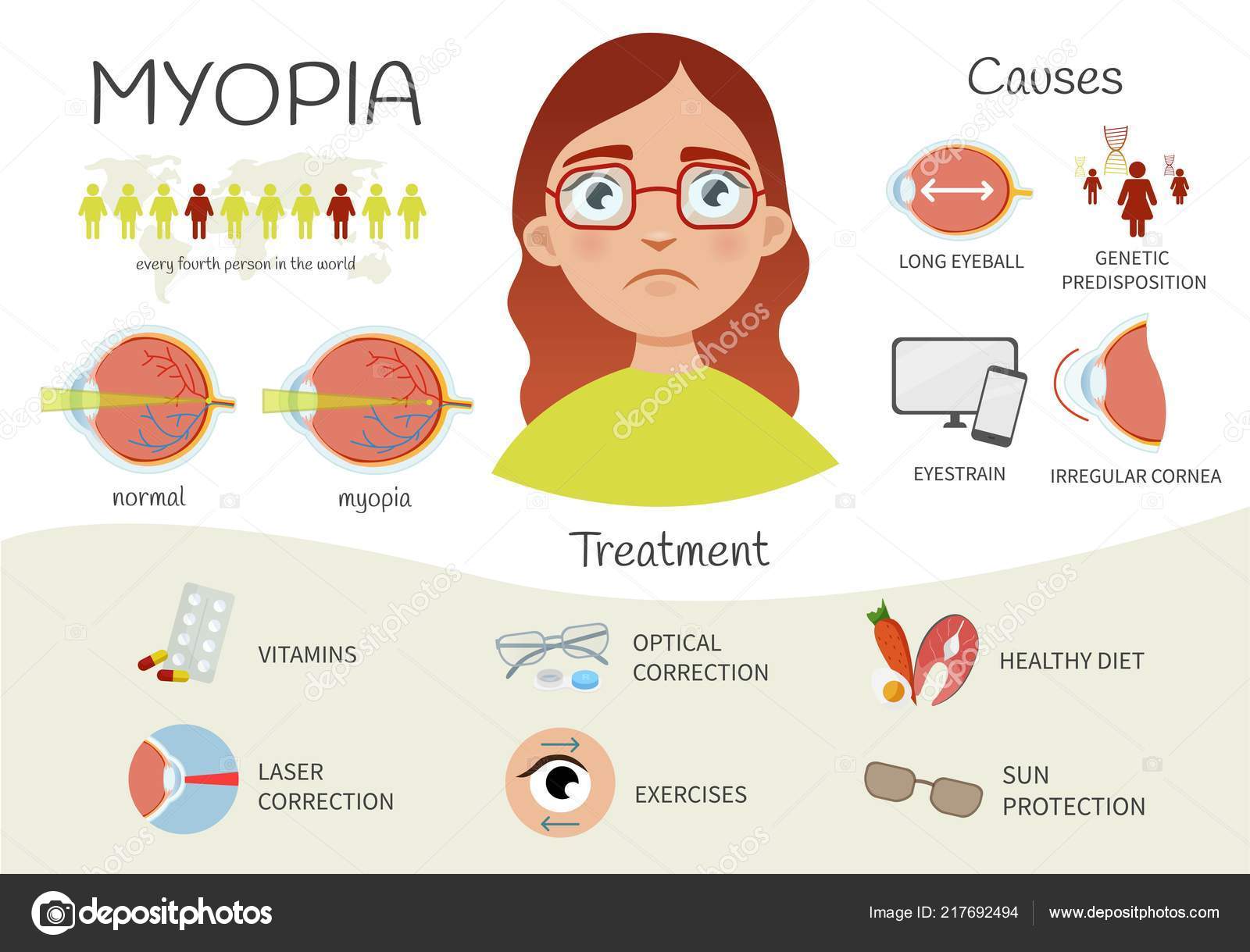
Another significant benefit of SMILE is its effectiveness for treating myopia, also known as myopia. The SMILE procedure specifically targets the underlying causes of myopia by removing a minute lenticule from the corneal stroma, contouring the cornea for improved clarity. Many patients report a high level of satisfaction and freedom from spectacles or contact lenses after the surgery. Additionally, the precision of the SMILE technique leads to a reliable outcome, making it a trustworthy option for those with moderate to high myopia.
Recovery from SMILE Eye Surgery is typically rapid and simple. Most patients can return to normal activities within a short timeframe, often going back to work or school within a couple of days. The majority experience low pain, and follow-up appointments ensure that healing is advancing as expected. It is essential for patients to follow the aftercare instructions provided by their surgeon, which may include avoiding strenuous activities and using prescribed eye drops. Overall, the recovery process is structured to be easy, contributing to the overall positive experience patients have with the SMILE procedure.
Cost of SMILE Procedure
The cost of SMILE eye surgery can change greatly depending on various aspects, such as the surgeon's expertise, the technology applied, and the geographic location of the facility. On average, patients can expect to invest between 3,000 to $5,000 USD for each eye treatment. While this investment may seem substantial, it is important to note that many view it a lasting answer to vision correction, perhaps reducing recurring costs related to lenses or contacts.
Insurance coverage for SMILE surgery is frequently restricted, as many insurance providers deem it an non-essential procedure. However, some patients may discover that their coverage covers a portion of the expense, particularly if surgical procedure is deemed essential due to major optical errors. It's recommended for individuals to inquire with their insurance company and discuss payment plans with their preferred provider to better understand the cost consequences.
Additionally, many clinics provide financing options to aid make the procedure more attainable. These options allow patients to spread the cost over time, rendering it feasible for more individuals to secure the sight improvement they seek. It is crucial for future patients to thoroughly explore different providers and their charges models to confirm they are making an educated selection that matches their financial situation and satisfies their sight needs.
PRK vs. PRK Comparison Chart
In the realm of options for laser eye surgery, many patients commonly compare SMILE and PRK techniques. These techniques are designed to resolving sight issues, although they employ varied methodologies. SMILE, or Small Incision Lenticule Extraction, includes creating a small opening to extract a lenticular tissue from the cornea, on the other hand PRK, or PRK (Photorefractive Keratectomy), alters the corneal structure by taking away the epithelium before utilizing the laser treatment. This key difference substantially impacts recovery times and potential benefits for individuals.
When it comes to recovery, the SMILE technique usually offers a faster healing process with less discomfort after surgery compared to PRK. Those who opt for SMILE can frequently return to daily activities within a few days, while PRK may take multiple days to weeks for full visual recovery due to the healing of the corneal surface. Moreover, SMILE reduces the likelihood of complications such as hazy vision, which is more common during PRK due to the takeaway of the outer epithelium.
The price can also be factor in the decision for numerous people. While SMILE might have a more expensive initial cost due to its innovative technique and technique, it is essential for patients to evaluate the advantages of quicker healing and less discomfort compared to the financial aspects. Ultimately, the choice between SMILE and the PRK procedure will depend on individual preferences, particular vision correction goals, and consultations with experienced eye care practitioners.